Powerhouse
London, UK
Powerhouse
London, UK
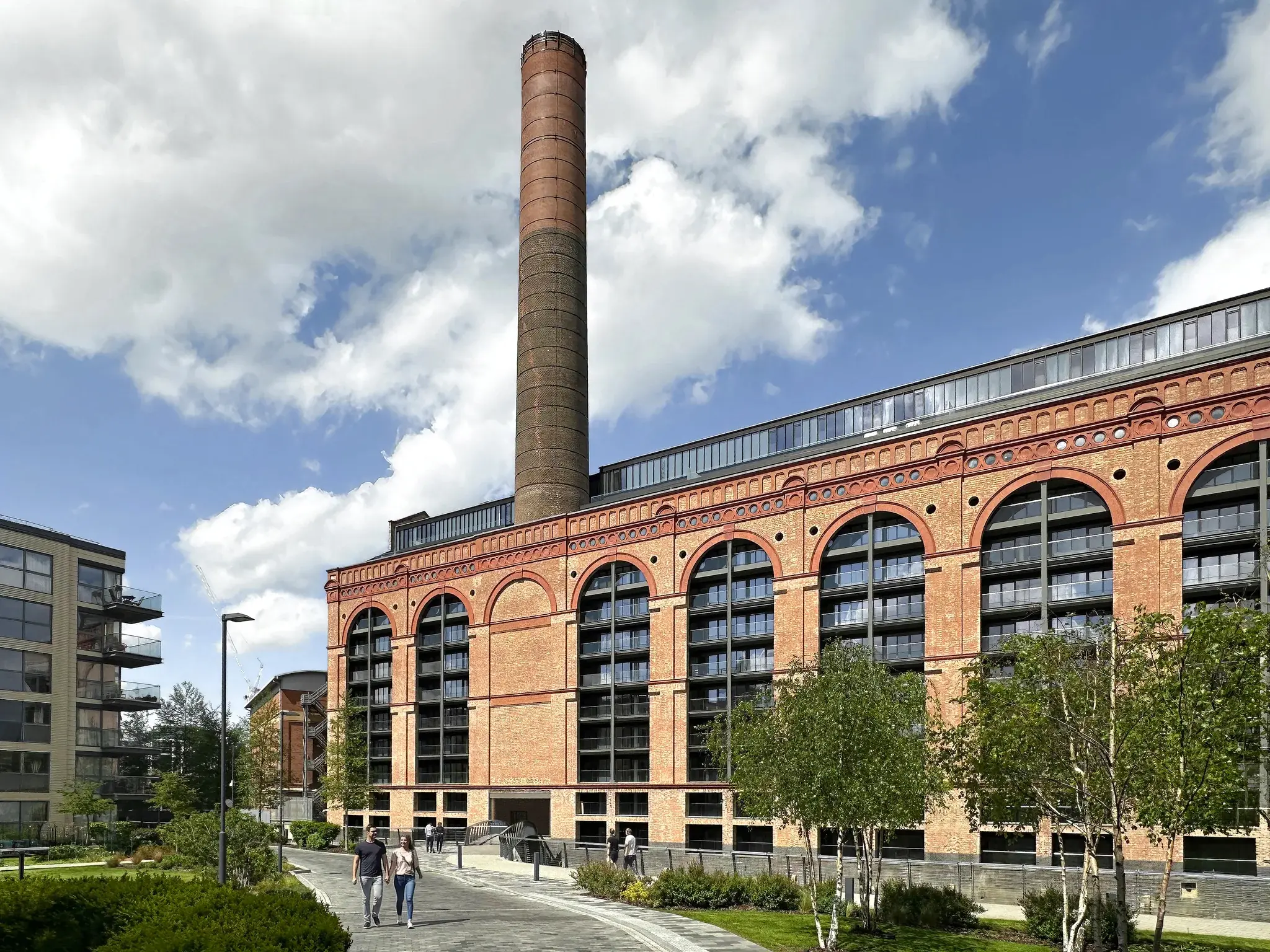
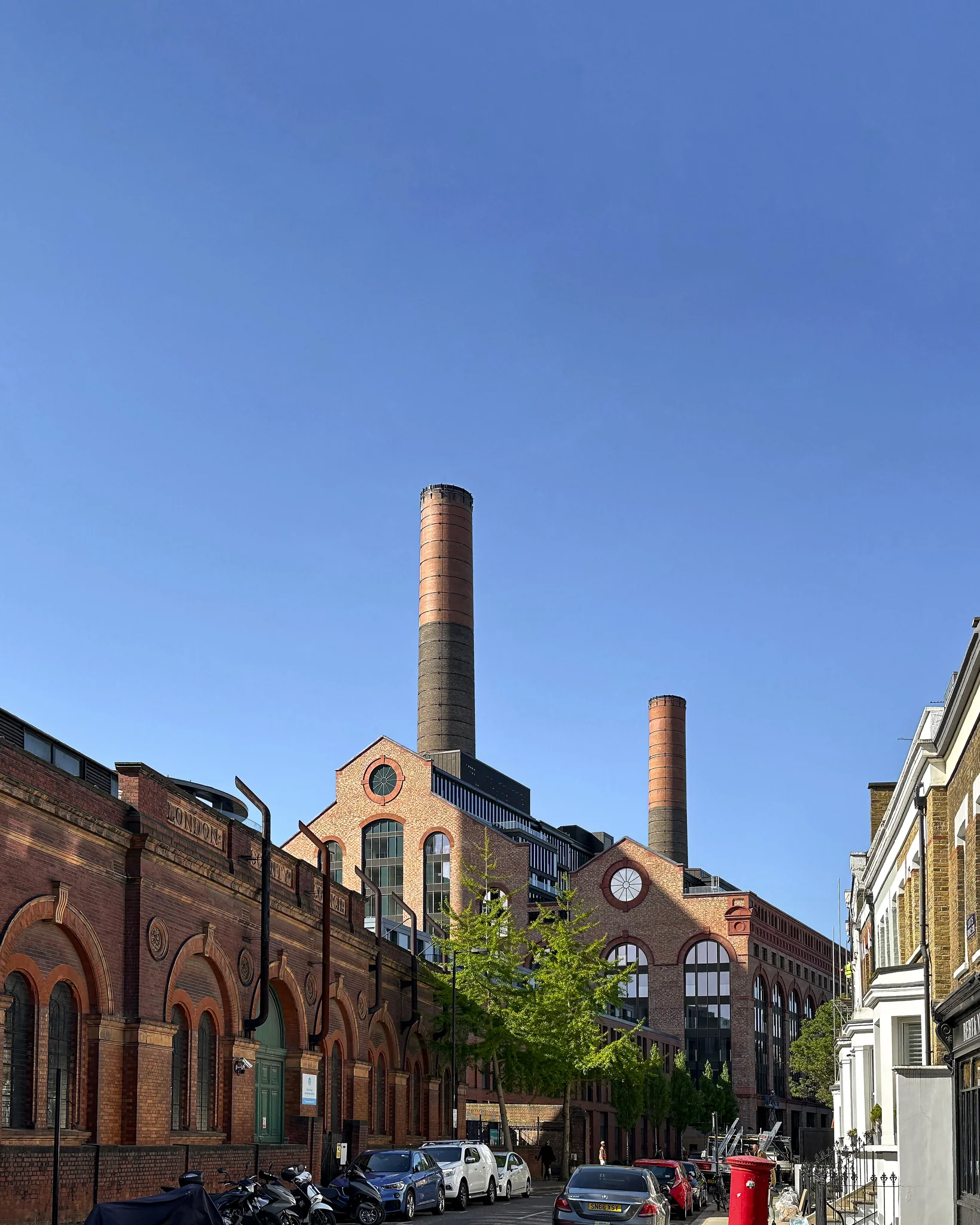
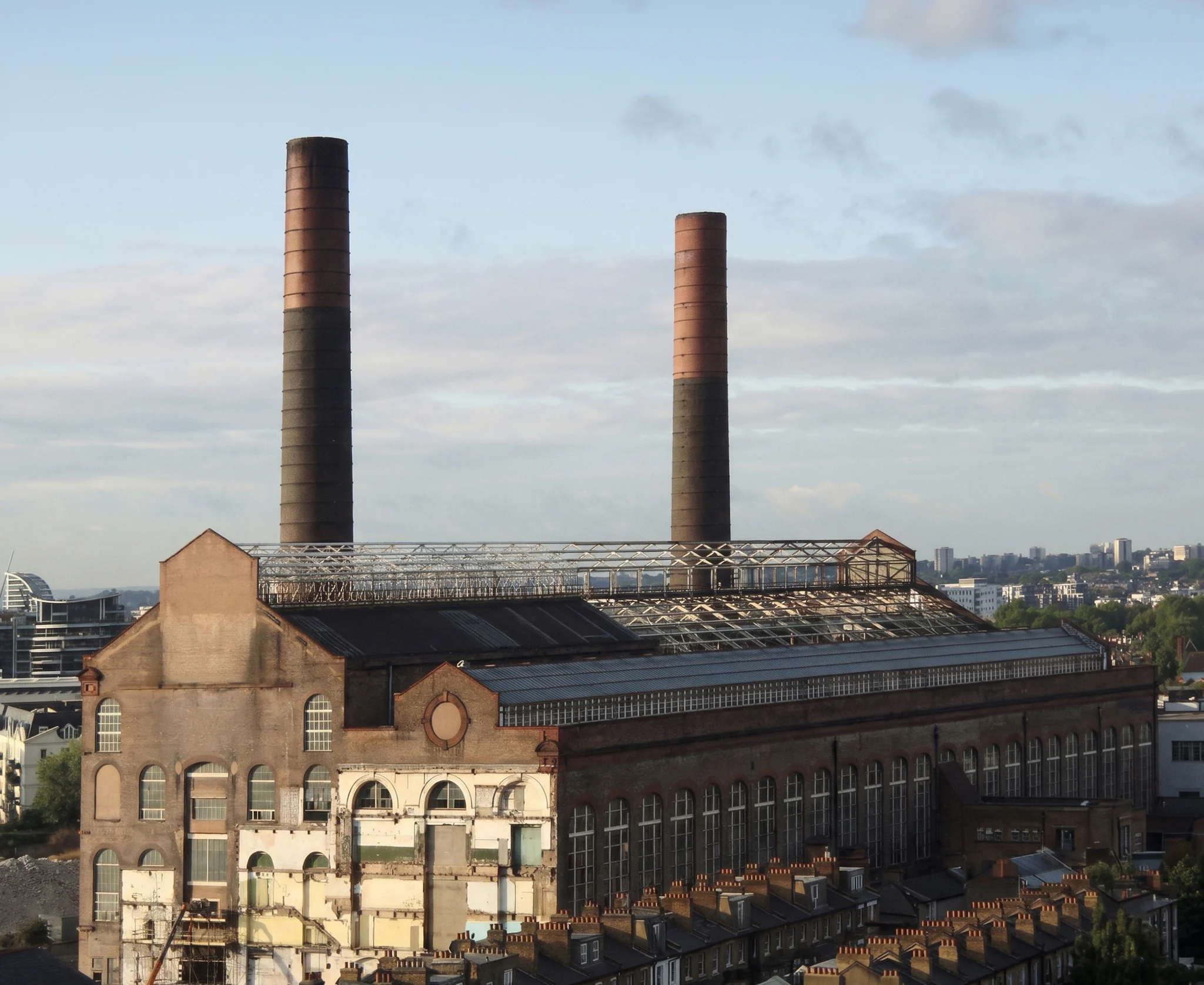
Powerhouse is a multi-award-winning transformation of the former Lots Road Power Station, demonstrating how heritage-led regeneration can unlock lasting commercial, social and civic value. Originally built to power the London Underground, the building has been reimagined as the centrepiece of Chelsea Waterfront, one of the most significant brownfield regeneration projects in London.
Powerhouse is a multi-award-winning transformation of the former Lots Road Power Station, demonstrating how heritage-led regeneration can unlock lasting commercial, social and civic value. Originally built to power the London Underground, the building has been reimagined as the centrepiece of Chelsea Waterfront, one of the most significant brownfield regeneration projects in London.
Hutchison Property Group
London, UK
66,256 m² (GIA)
Design
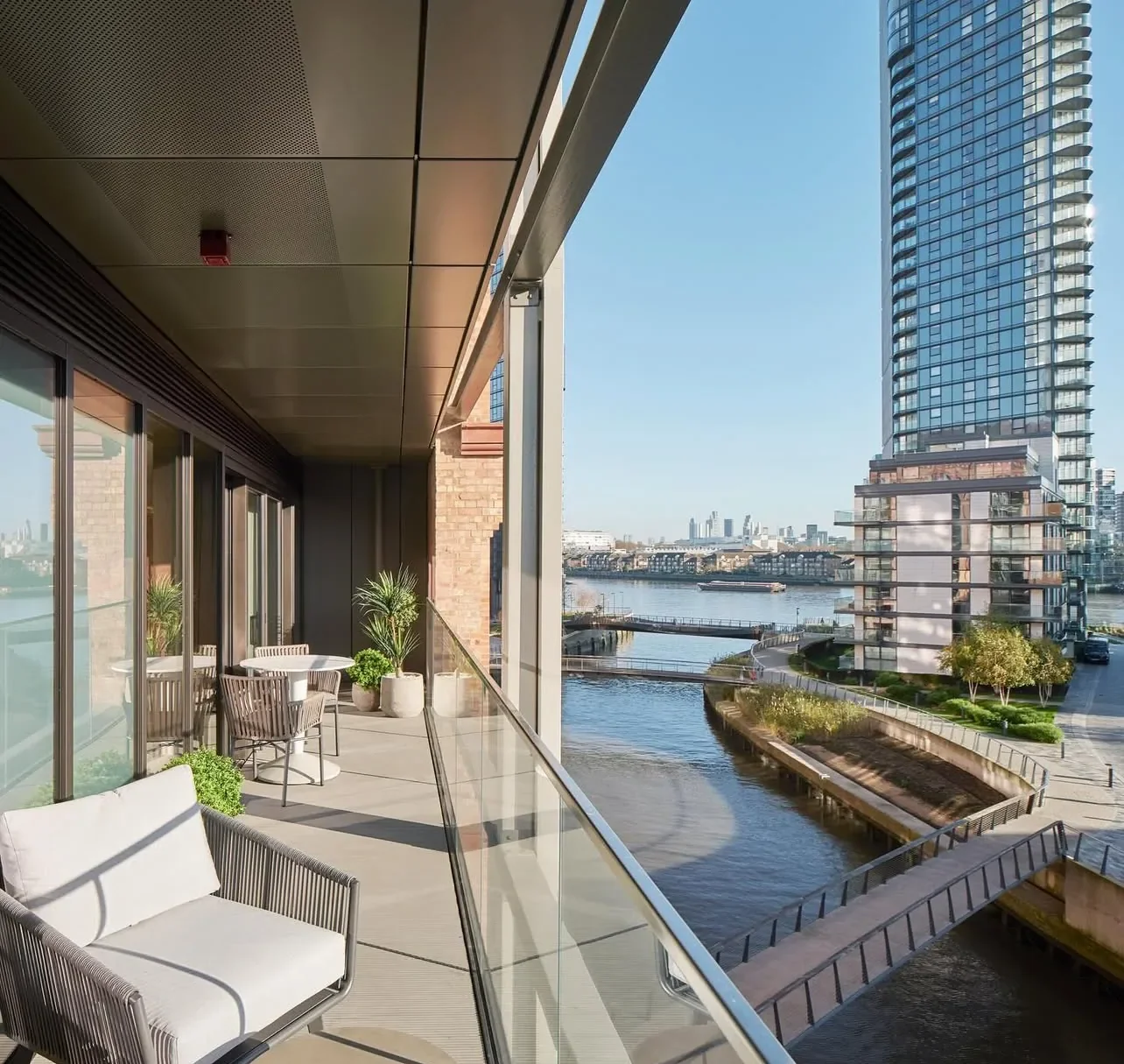
Powerhouse exemplifies the potential of ambitious adaptive reuse to create highly desirable homes while enhancing the value and identity of an entire neighbourhood. At the heart of a masterplan that reconnects the Royal Borough of Kensington and Chelsea with the London Borough of Hammersmith & Fulham, the project has helped establish a new destination on the Thames, defined by high-quality public realm, mixed-use activity and a strong sense of place.
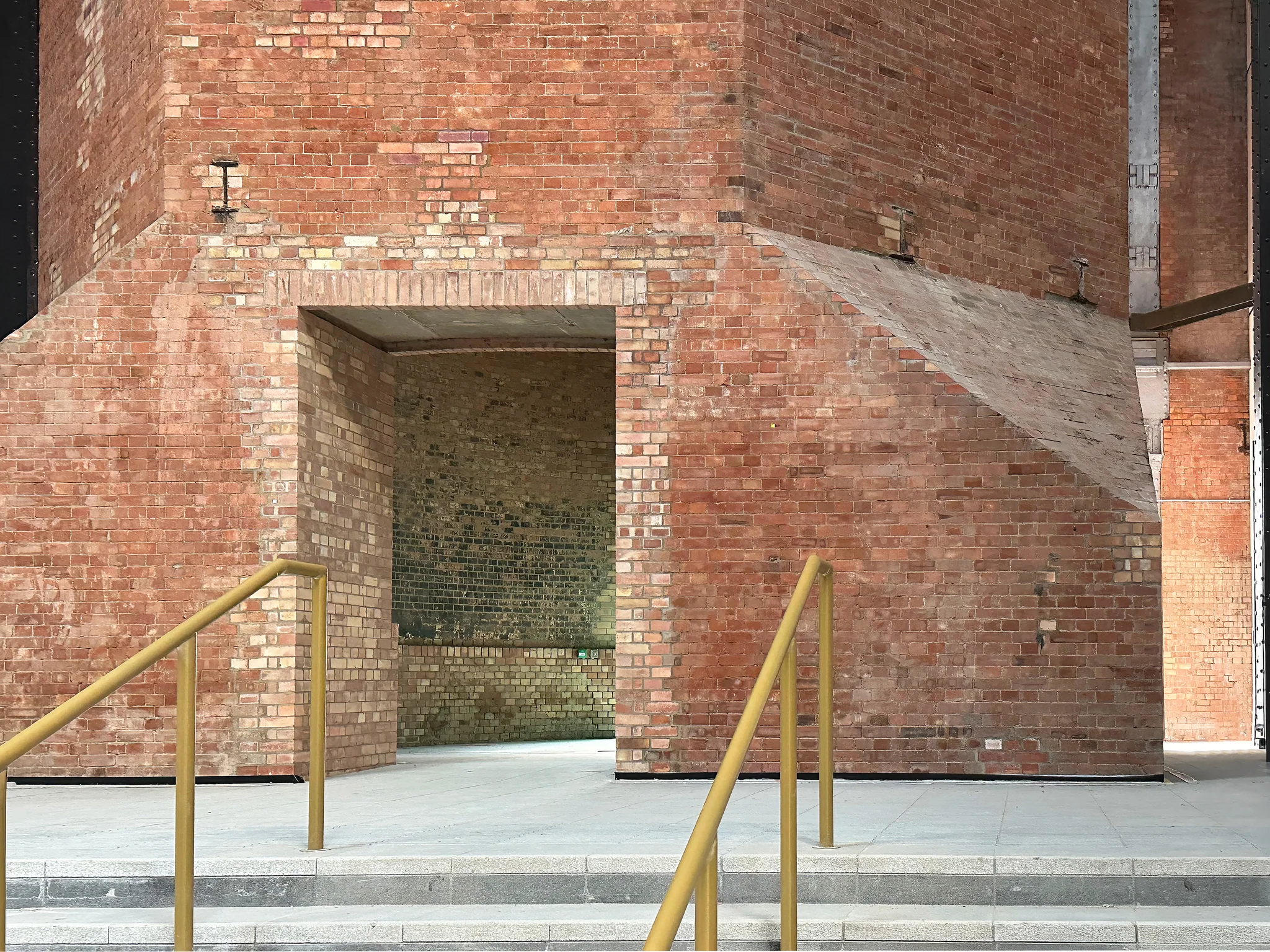
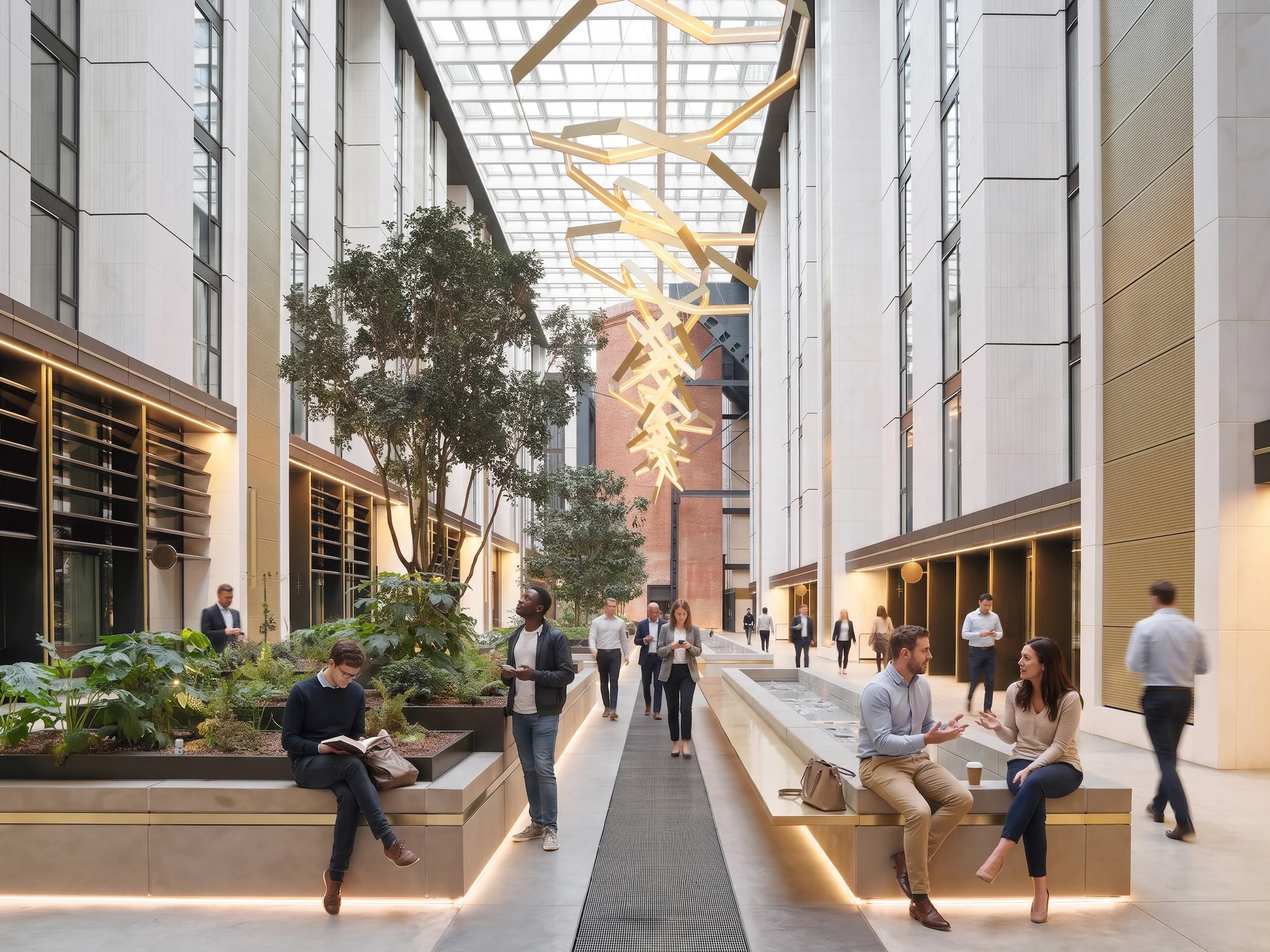
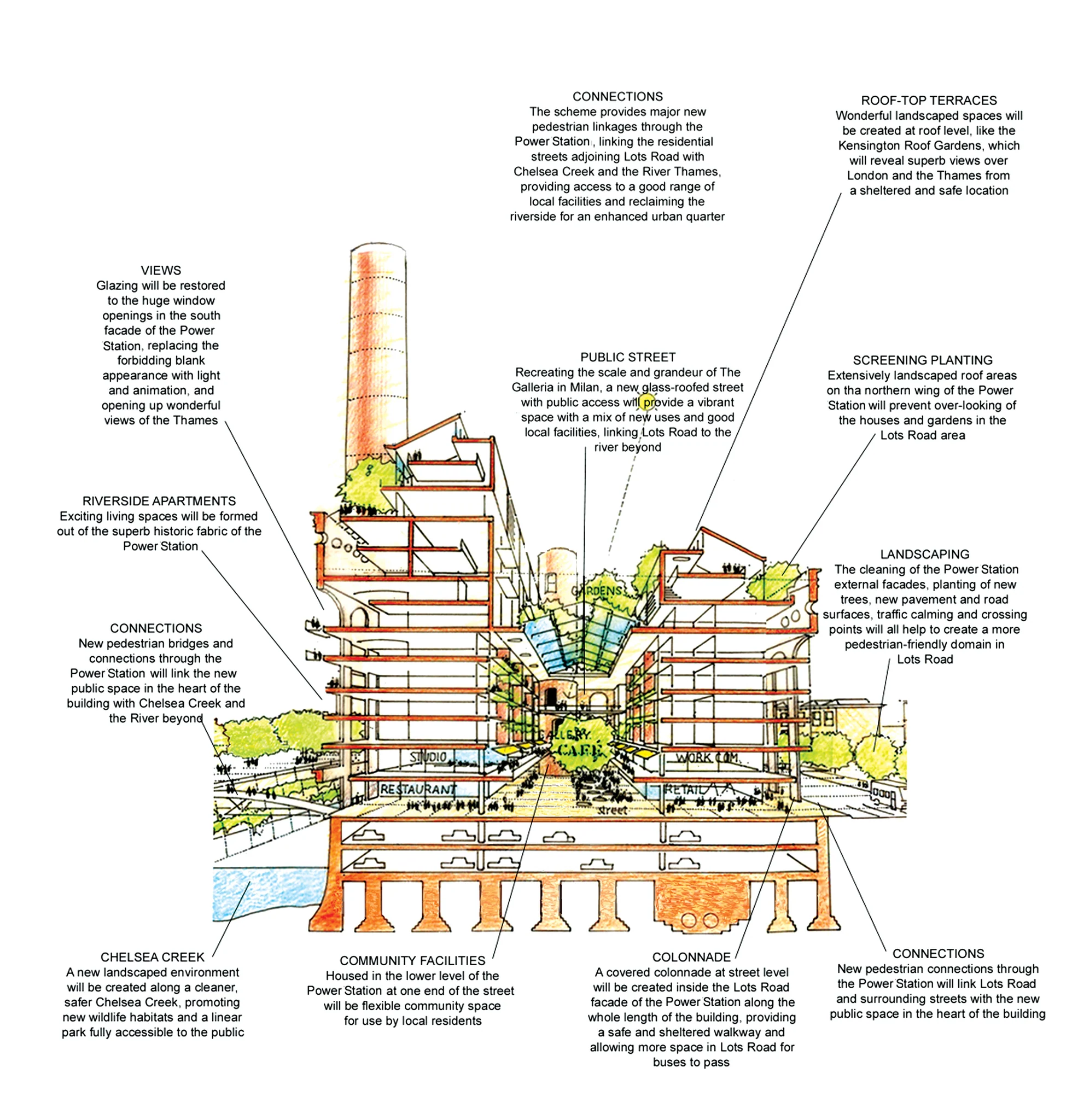
Farrells, working with Formation Architects, led the transformation of this iconic industrial landmark into a vibrant mixed-use community comprising 260 mixed-tenure homes alongside restaurants, retail, creative workspace and community facilities. A new network of public routes through the building reconnects Lots Road with Chelsea Harbour, opening up a site that had been inaccessible for decades and creating a series of memorable public spaces.
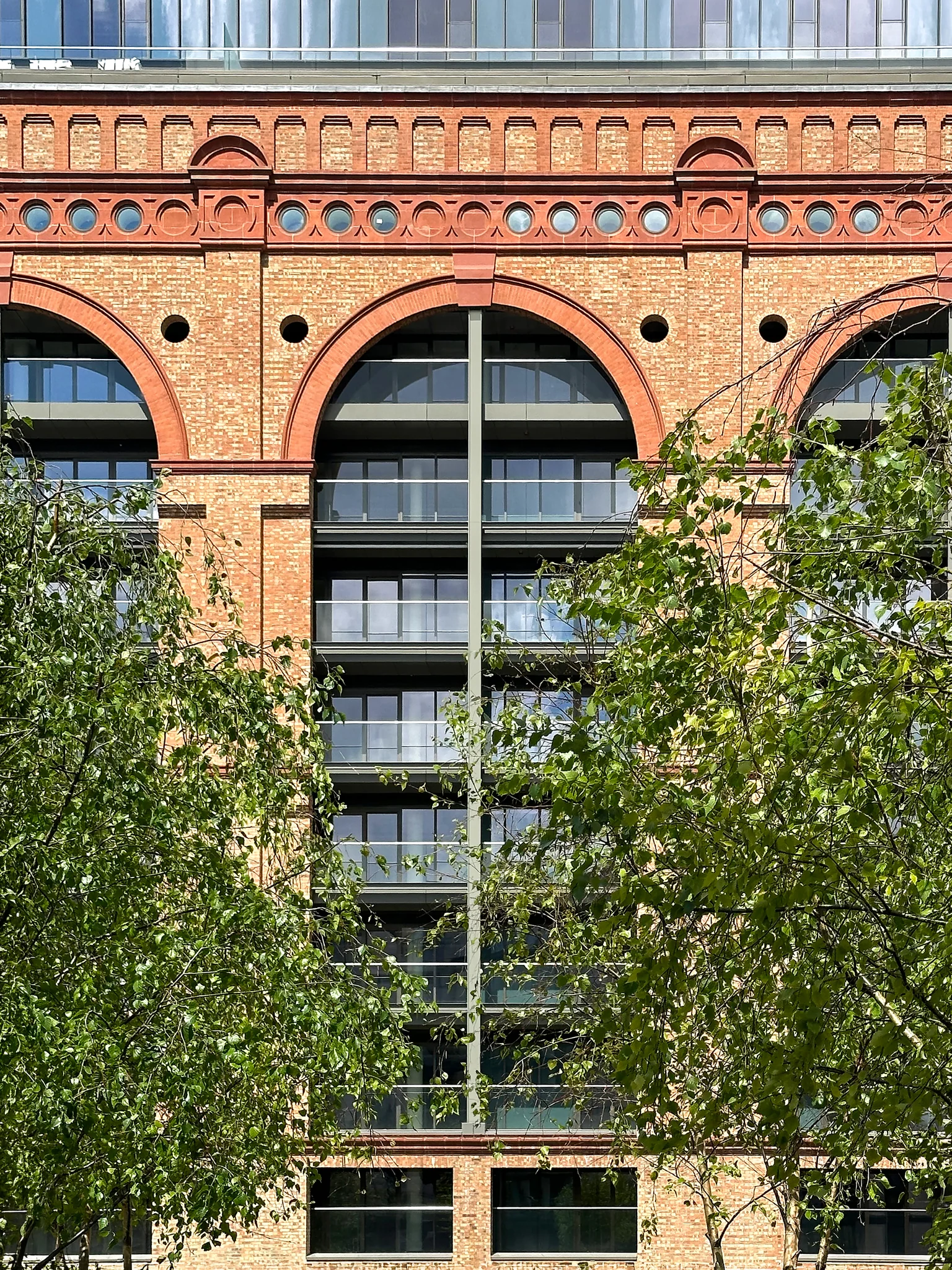
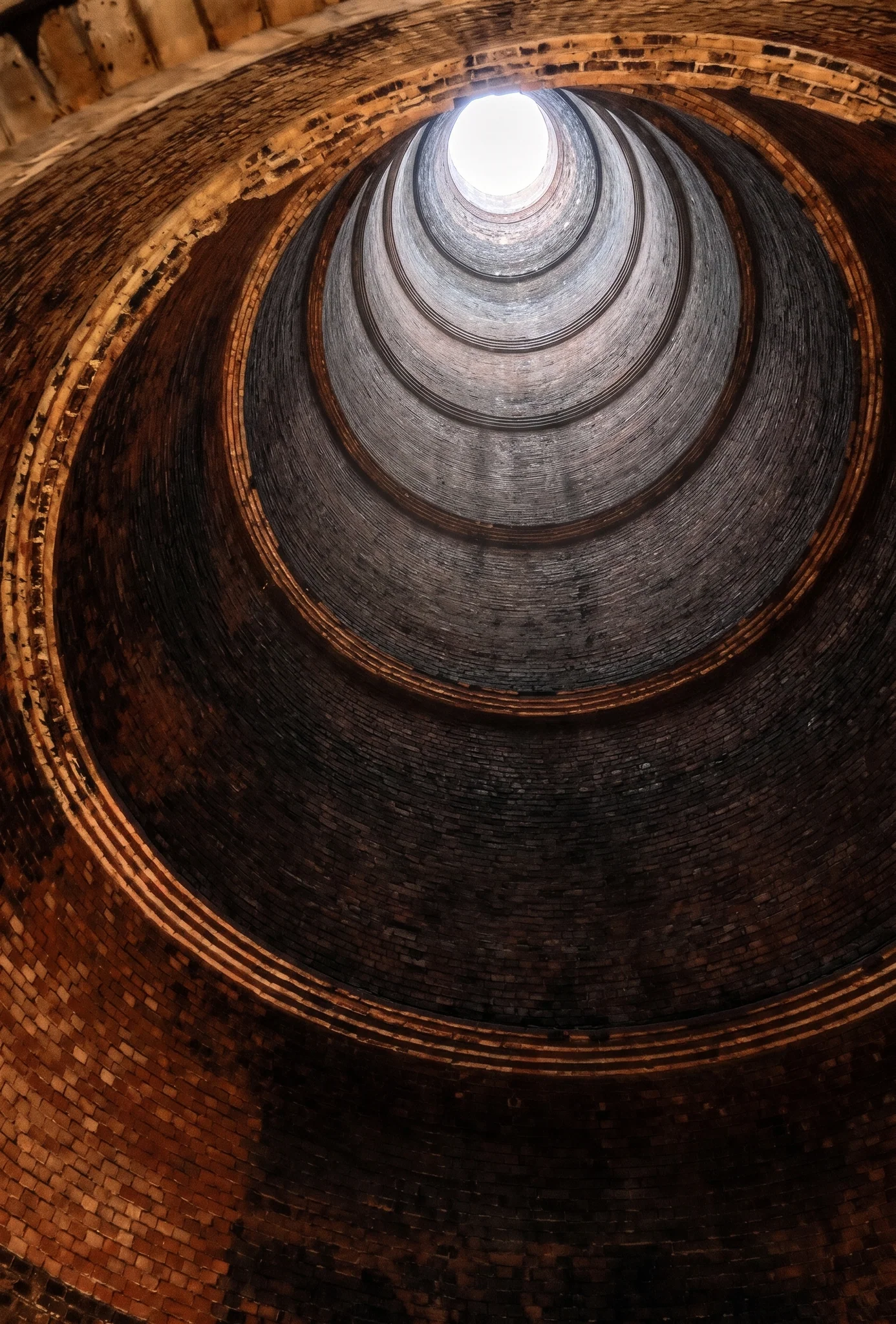
The project balances careful conservation with contemporary intervention. Historic fabric and landmark features, including the landmark chimneys, have been retained and celebrated, while new rooftop additions and a dramatic central atrium bring light, activity and commercial value to the heart of the building.
As part of the wider Chelsea Waterfront vision, Powerhouse demonstrates how complex urban regeneration can successfully combine heritage, sustainability and placemaking. The result is a thriving residential-led destination that has attracted a strong owner-occupier community, delivered significant affordable housing provision and established a renewed civic identity for one of London’s most remarkable historic buildings.